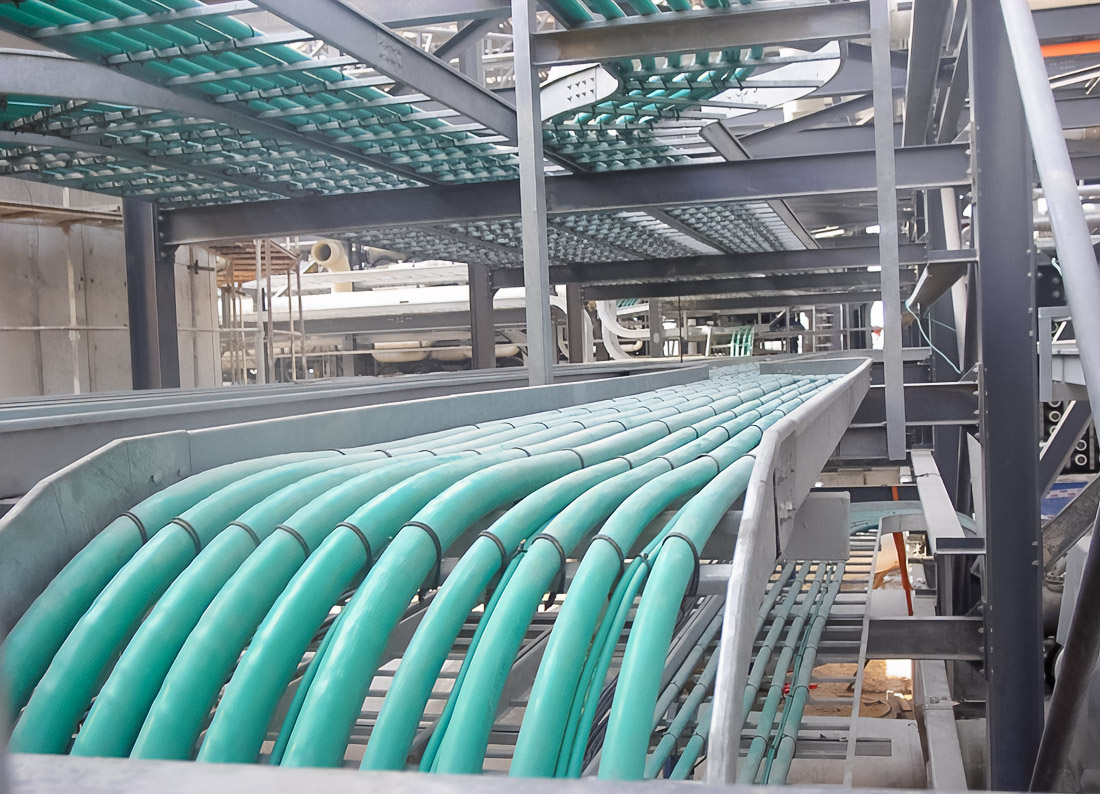
A modern city is not only made of glass and concrete skyscrapers, but also a network hidden in the walls and ceilings. The electrical infrastructure is complex, layered, and invisible. In the UAE, where dozens of high-rise buildings are being built, data centers are being launched, industrial complexes are being built and transport hubs are being expanded, it is cable trays and cable ladders that are becoming the supporting framework of engineering systems. Their task is not limited to the order of the cable routes. They are responsible for fire safety, for the reliability of power supply, and for the durability of the entire network.
Materials and Standards of Cable Systems
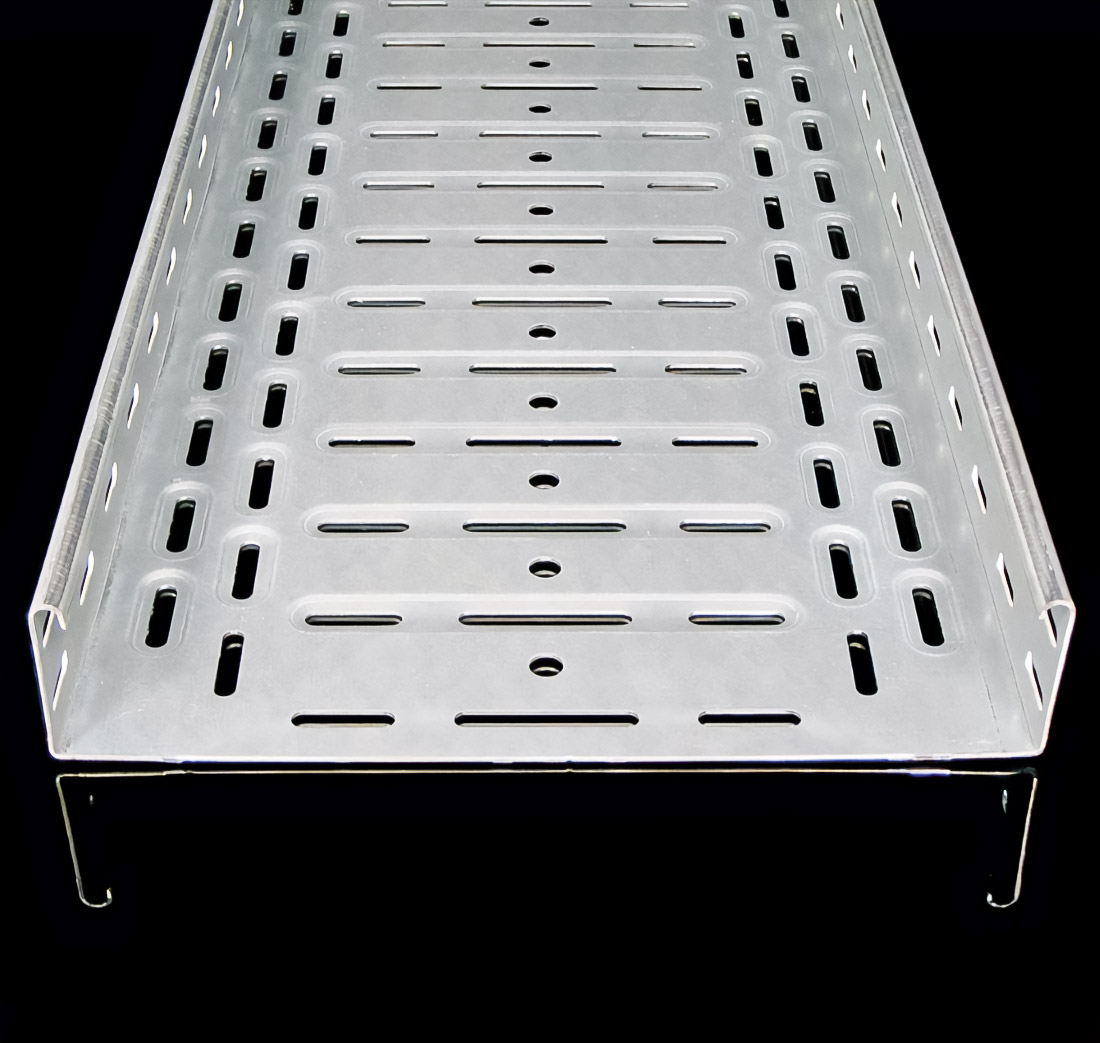
The choice of material determines the service life. Galvanized steel is durable and resistant to corrosion. Aluminum is lightweight, easy to install, and is not afraid of moisture. 304 and 316L stainless steel is the solution for aggressive environments. FRP and GRP composites can withstand high temperatures and humidity. Each product is certified according to IEC 61537, BS EN, and ASTM, which guarantees international compliance.
The dimensions are standardized, but the range is wide: the wall height varies from 50 to 200 millimeters, width from 100 to 1000 millimeters, metal thickness from 1.2 to 3.0 millimeters. The pitch of the crossbars is on average 250-300 millimeters. Such parameters allow you to adapt the trays for residential complexes, power plants, and data centers.
The main threat is overheating. Perforated trays create ventilation and thus reduce the risk of fire. In the climate of the Emirates, where temperatures reach extreme levels in summer, this becomes not a matter of convenience, but of the survival of the system. Fire-resistant structures stop the spread of fire. The high load capacity makes such solutions indispensable in subways, airports and factory workshops. It is no coincidence that major contractors collaborate with cable tray suppliers in Dubai to ensure their access to proven and certified components.
Areas of Application and Development Prospects
In skyscrapers, cable trays ensure uninterrupted operation of elevators, lighting systems, and HVAC. In shopping malls like Mall of the Emirates, they are responsible for monitoring lighting networks and digital screens. In industrial areas, including the Jebel Ali Free Zone, cable ladders can withstand heavy power lines. In data centers, wire baskets play a crucial role: they create efficient cooling and simplify equipment maintenance.
Statistics confirm the dynamics. In 2022, the cable market was estimated at $3.5 billion. By 2030, it is projected to grow to 6.2 billion. In 2023, the government allocated 17.3 billion dirhams for infrastructure development, including energy facilities. IDC predicts that spending on smart cities will exceed $4.4 billion by 2025. These figures reflect the increasing demand for modular, scalable, and eco-friendly cable systems.
Today, cable trays are no longer perceived as a secondary element. They are becoming a platform for the future: IoT integration, support for 5G networks, and the transition to sustainable energy. They can withstand the load that a modern city carries. And that’s why cable systems can be called the backbone of the UAE’s infrastructure, even though they remain hidden from view.

Fixie owner, vegan, ukulelist, reclaimed wood collector and doodler. Making at the fulcrum of aesthetics and function to answer design problems with honest solutions. German award-winning designer raised in Austria & currently living in New York City.