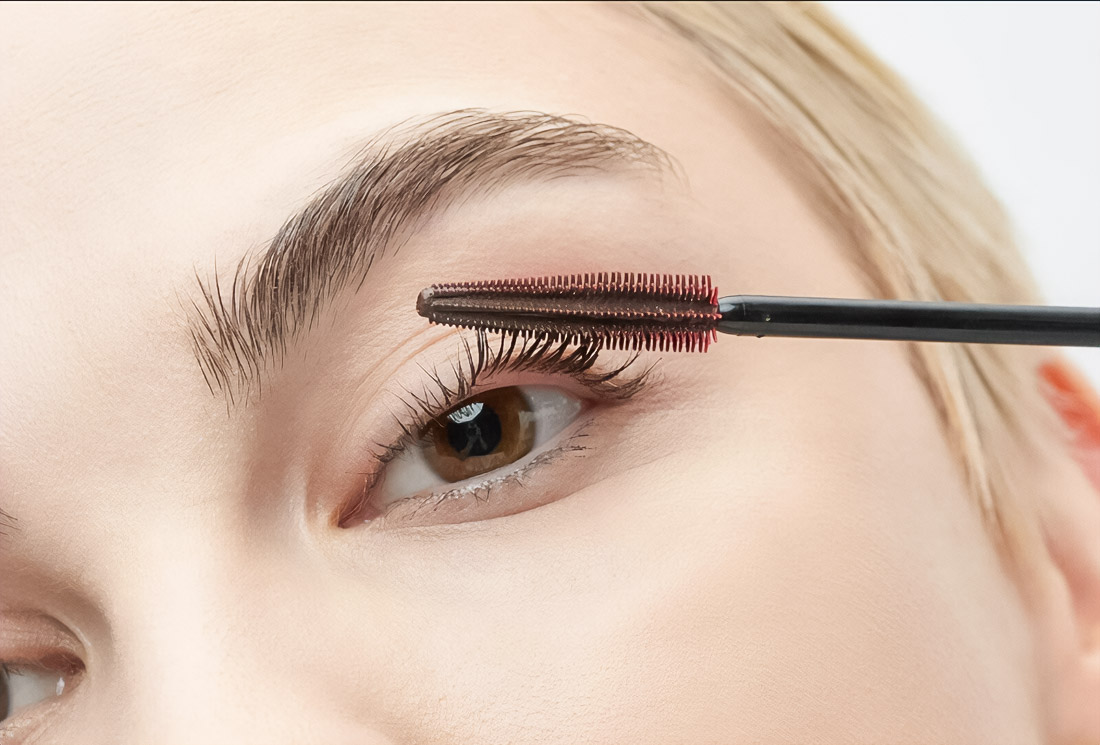
Microblading and machine hair techniques belong to semi-permanent makeup and are used to correct the shape of eyebrows, restore density, and create a natural effect. Despite the similar visual goal of imitating natural hairs, these methods differ fundamentally in application technique, depth of pigment implantation, skin response, and long-term results.
Understanding these differences is critical not only for choosing the right method but also for maintaining skin health over the years — especially in regions where climate and skin type play a major role, such as with microblading in UAE.
The Principle of Operation and the Technique of Application
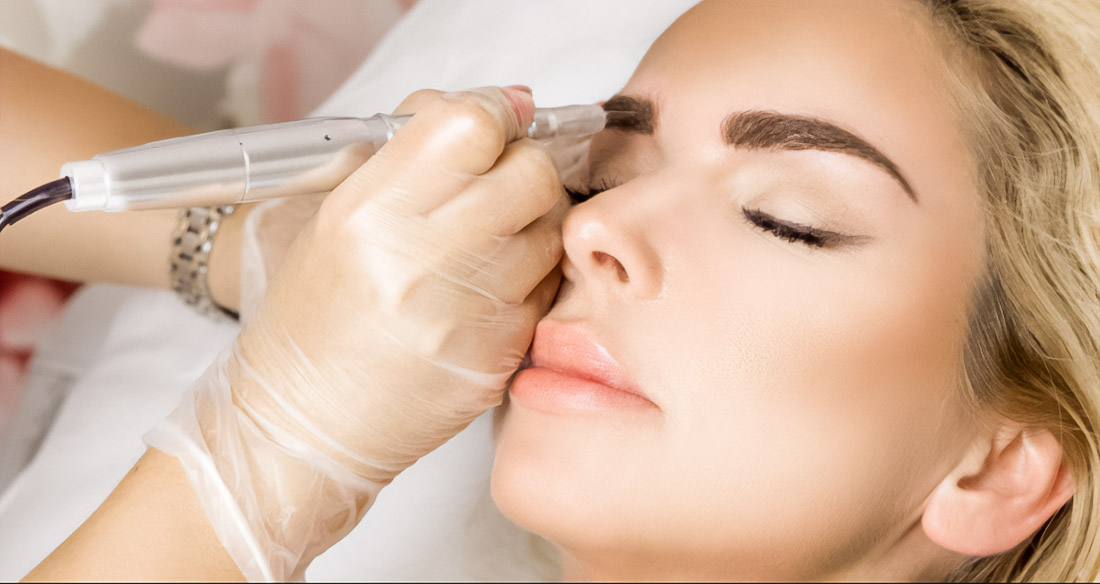
Manual microblading is performed using a hand tool with a blade consisting of a group of ultra-thin needles (usually 12–16). The specialist creates microscopic incisions in the skin, which are then filled with pigment. Each stroke is formed manually through controlled pressure and hand movement. The pigment is deposited into the superficial layers of the skin, near the upper dermis.
The machine method uses specialized equipment with a needle cartridge and a single ultra-thin needle. The pigment is implanted into the skin at a controlled depth and uniform speed. Due to vibration control and precise depth adjustment, skin trauma and the risk of unintended tissue damage are significantly reduced.The key difference is that with manual techniques, the skin is cut to create strokes, whereas with machine techniques, the pigment is implanted through controlled punctures without creating linear incisions.
Skin Injury and Tissue Reaction
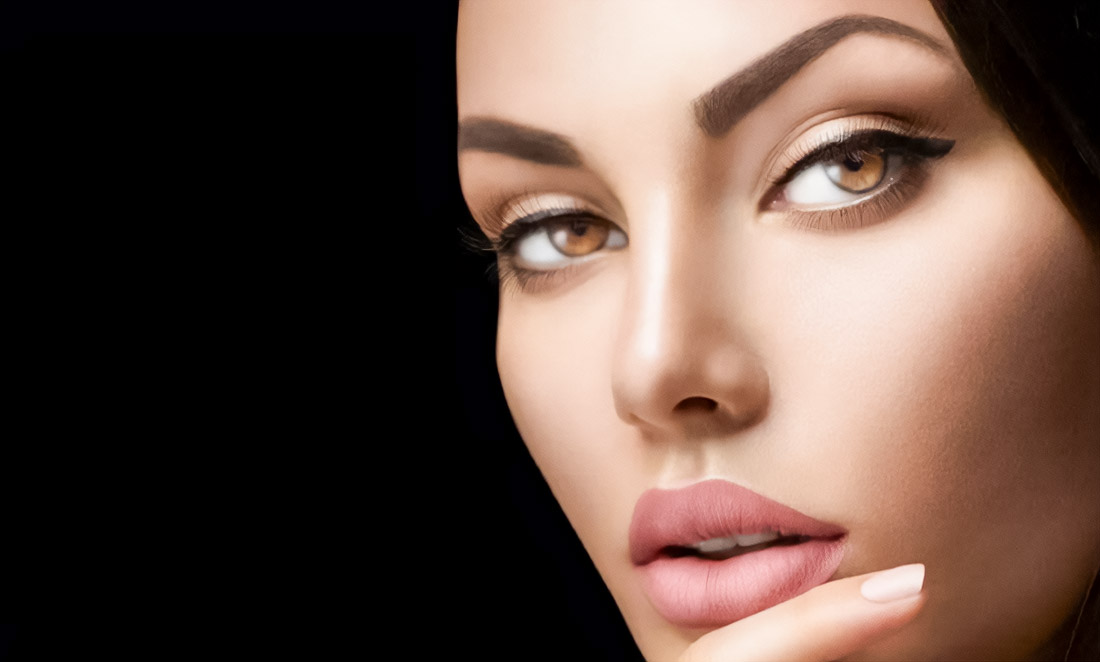
Microblading is associated with a higher level of skin trauma. The formation of each hair stroke involves a micro-incision, which may cause minor bleeding, inflammation, and the formation of crusts. With repeated procedures, cumulative micro-damage can occur, potentially increasing the risk of scarring and affecting pigment retention.
The machine method is characterized by a lower level of trauma. The skin structure remains more intact, with a reduced likelihood of pronounced peeling and dense crust formation. Precise control over pigment depth also reduces the risk of color migration and uneven fading.
For this reason, the machine method is suitable for a wider range of skin types, including oily, porous, and mature skin, while manual microblading is generally recommended for dense, healthy, and non-oily skin.
Healing and Recovery Period
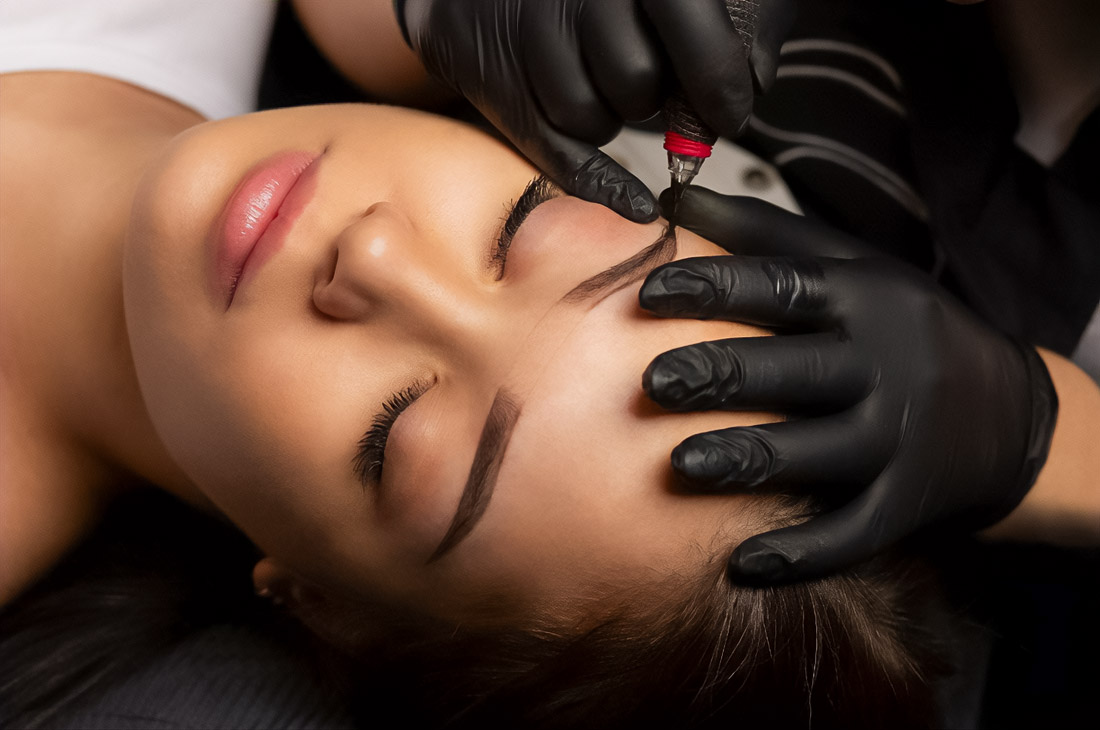
After manual microblading, healing typically takes 7 to 14 days. During this period, crusting, peeling, and gradual lightening of the pigment occur. The color may appear uneven after initial healing, which is why a correction session is necessary.The machine method usually heals faster — on average within 3 to 7 days. The recovery period tends to be milder, with minimal discomfort and fewer crusts, due to reduced trauma and a more controlled application technique.
In both cases, the primary correction is performed after 6 to 8 weeks, once the color stabilizes and the skin has fully recovered. In some machine techniques, an additional correction may be scheduled up to 12 weeks later, particularly when working with dense or mature skin.
Durability and Longevity of the Result
Manual microblading typically maintains its visual effect for 1 to 3 years. However, on oily skin, pigment may fade faster, and hair strokes can blur over time. Repeated procedures may increase the risk of scar tissue formation, which can affect the quality of future applications.
Machine hair techniques generally demonstrate longer-lasting results — from 1.5 to 5 years — depending on skin type, pigment depth, and aftercare. The pigment tends to fade more evenly, without abrupt changes in tone.It is important to remember that neither method is completely permanent. Over time, the color naturally lightens, and maintenance sessions are required to preserve the desired effect.
Aesthetic Result and Visual Effect
Manual microblading creates crisp, well-defined hair strokes but does not typically allow significant stroke overlap, which can limit the ability to build soft density. If performed incorrectly, strokes may merge or lose definition over time. The machine method allows for stroke layering, density adjustment, and the combination of hair techniques with shading. This provides greater versatility — from an extremely natural look to a soft makeup effect with powdery or ombré transitions.
In both cases, natural-looking results depend not only on the instrument used but also on the specialist’s understanding of eyebrow architecture, symmetry, pigment depth, and individual skin response.
Method Selection and Long-Term Consequences
Not everyone is an ideal candidate for manual microblading. Oily, thin, mature, sensitive, or scar-prone skin may not tolerate repeated micro-incisions well. In such cases, the machine method is often a safer and more predictable alternative. From a long-term skin health perspective, machine techniques are generally considered gentler, as they minimize the accumulation of microtrauma and help preserve overall skin structure.
Manual and machine eyebrow techniques are not simply different tools but fundamentally different approaches to working with the skin. They vary in trauma level, healing time, longevity, and suitability for different skin types — an especially relevant factor when considering microblading in UAE, where environmental conditions such as heat and humidity place additional stress on the skin.
The choice of technique should be based not only on the desired visual effect but also on the physiology of the skin, the reaction of tissues and an understanding of the consequences of repeated procedures. A competent assessment of these factors allows you to get a stable, aesthetic result without compromising skin health.

Fixie owner, vegan, ukulelist, reclaimed wood collector and doodler. Making at the fulcrum of aesthetics and function to answer design problems with honest solutions. German award-winning designer raised in Austria & currently living in New York City.