
Mold in residential areas almost never appears suddenly. It does not occur overnight and rarely becomes immediately noticeable. In most cases, mold growth begins deep inside structures, where people have not looked for years.
The cavities of the walls, the space under the floor coverings, the areas behind the tiles in the bathrooms, the interior of the ducts and air conditioning systems. This is where the pockets of hidden mold form. The main factor is always the same. This is high humidity combined with insufficient ventilation and constant operation of air conditioners.
In hot climates, outdoor humidity can approach 90% in some months. At the same time, the indoor temperature is stable at about 22°C. This difference creates a constant condensation of moisture on cold surfaces. Moisture does not evaporate. It accumulates.
This creates stable areas of high humidity. In these areas, mold grows slowly but surely, leaving no visible traces. Sometimes for many months.
Why Does Mold Remain Invisible?
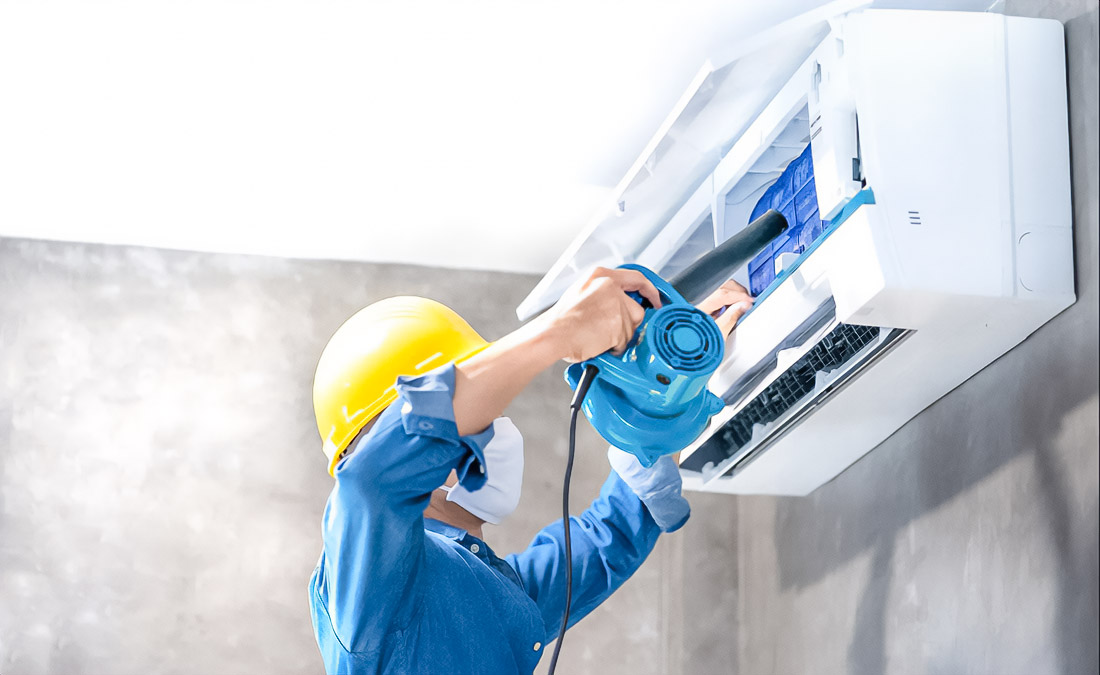
Modern residential buildings are designed with energy efficiency in mind. Dense thermal insulation, sealed windows and minimal natural air exchange have become the norm. However, it is these solutions that often create conditions for the accumulation of moisture inside structures.
If there is insufficient ventilation, moist air is not discharged outside. It settles on walls, ceilings and in engineering systems. If water leaks, micro leaks from air conditioners, or vapour barrier defects are added to this, the risk increases many times.
Mold feeds on organic materials. Wood, drywall, construction dust and adhesives become a source of nutrition for it. Mold spores spread through the air and easily enter HVAC systems.
For this reason, pollution often covers the entire room. Even if visually, the walls and ceilings look clean. According to generalised data, up to 80% of hidden mold foci are not detected during routine inspection.
Air Quality and Health Effects

When mold spores enter the air, the problem ceases to be exclusively a construction problem. It becomes medical. Indoor air quality directly affects the body’s condition.
Inhalation of polluted air can cause coughing, nasal congestion, irritation of mucous membranes and skin. People with asthma or allergies often have worse symptoms. Especially in children and the elderly.
Short-term exposure usually manifests as temporary irritation. Prolonged exposure is much more dangerous. It can lead to chronic respiratory symptoms and a steady deterioration in well-being.
Mold spores are constantly circulating in air-conditioned rooms. They spread through ventilation, getting even into those rooms where there are no visible signs of contamination.
Conditioning as a Hidden Source of Risk
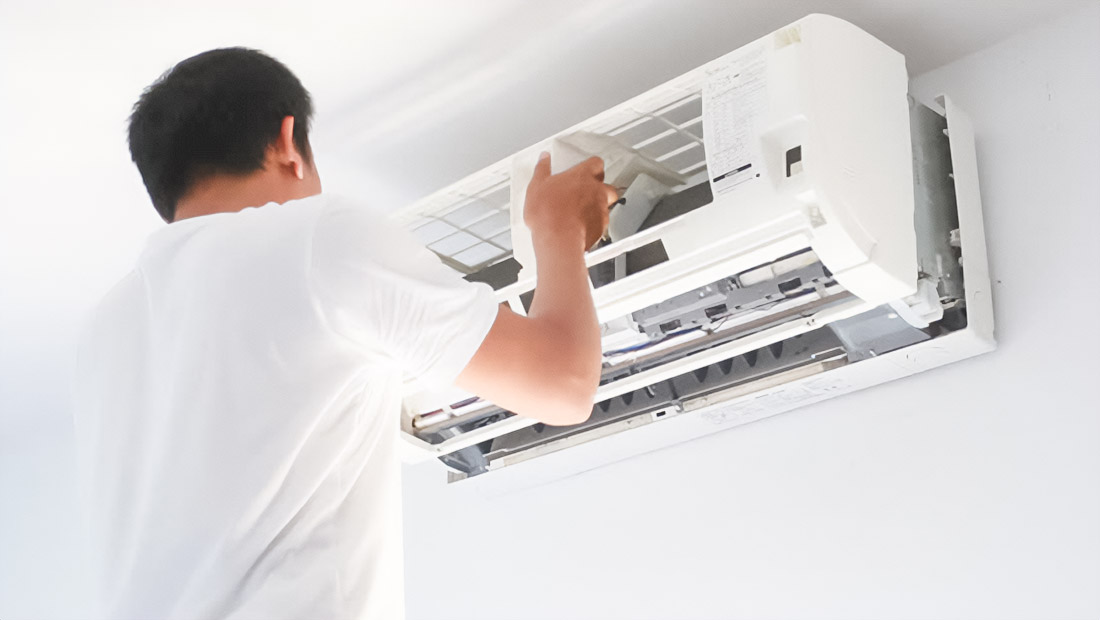
Air conditioning systems and air ducts often become an invisible channel for the spread of mold. Condensation, dust and dirt accumulate inside them. In the absence of regular maintenance, this turns into an ideal environment for the growth of microorganisms.
Dirty filters and wet channels contribute to the spread of spores throughout the house. Each system launch increases the problem. The air itself becomes a carrier of contamination, which is why targeted ac mold treatment is often required when unexplained health symptoms persist.
The recommended frequency of duct cleaning is once every 1-2 years. Filters require more frequent attention. This reduces the risk of air pollution and increases the efficiency of the system.
Mold and Property Values
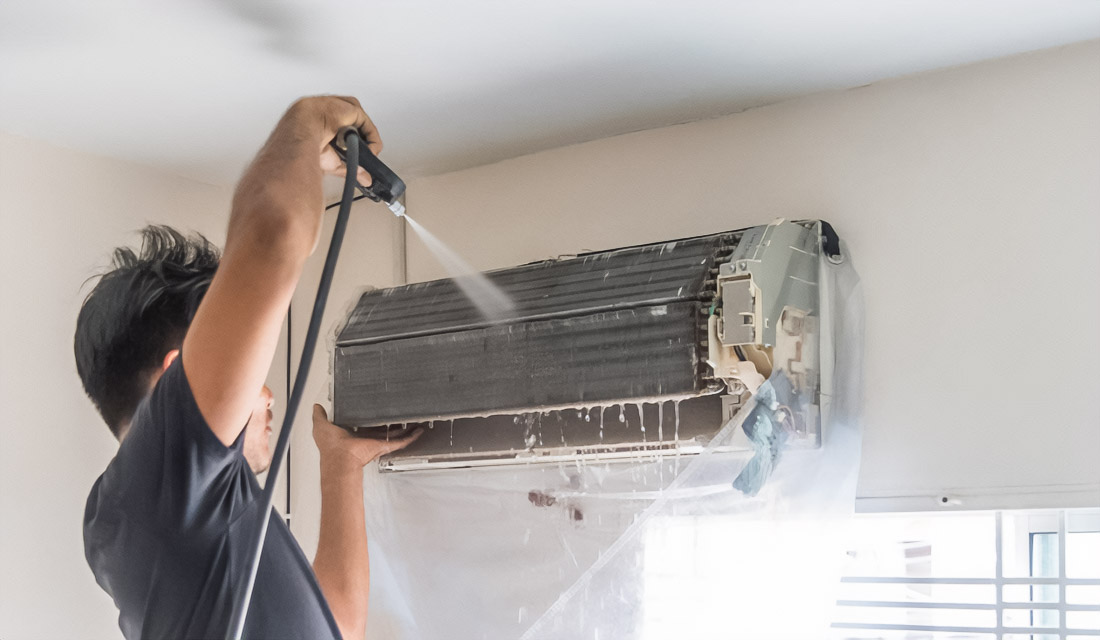
Mold does not only affect the health of residents. It directly affects the value of real estate. Objects with signs of mold cause distrust among buyers. Transactions are delayed. The price is reduced.
Even after the problem is fixed, the history of contamination can leave a negative mark. Potential buyers are afraid of hidden defects and future expenses. In some cases, the cost reduction exceeds the cost of mold removal.
An additional threat is the degradation of building materials. Mold destroys drywall, floor coverings, and thermal insulation. Increased humidity accelerates the corrosion of metal elements. Over time, this leads to an increase in repair costs and a decrease in the investment attractiveness of housing.
Humidity Control as a Key Measure
The main way to prevent mold growth is to control indoor humidity. The optimal relative humidity level should remain below 50-60%. This is achieved by combining ventilation, proper operation of air conditioners and the use of dehumidifiers.
Water leaks must be fixed immediately. Air conditioning systems and drains require regular inspection. In rooms with high humidity, air exchange should be active and constant. In many cases, comprehensive home deep cleaning Dubai services are used alongside moisture control to eliminate residual spores from surfaces and hidden areas.
Humidity monitoring using sensors allows you to identify problem areas at an early stage. Before odours, stains, and damage appear.
Why Early Diagnosis is Critically Important
The earlier mold is detected, the lower the risks. For your health. For building construction. For the budget.
Professional diagnostics allows you to detect hidden sources of contamination, assess the condition of ventilation and determine the root cause of the problem. This may be condensation, water leakage, or improper operation of the air conditioning systems.
Prevention is always more effective than recovery. Regular monitoring of the microclimate, HVAC maintenance and timely inspections help to maintain the safety of housing, the health of residents and the long-term value of real estate.
Mold is rarely immediately visible. But the effects of her presence are always felt.

Fixie owner, vegan, ukulelist, reclaimed wood collector and doodler. Making at the fulcrum of aesthetics and function to answer design problems with honest solutions. German award-winning designer raised in Austria & currently living in New York City.